It’s no secret that Matchbox’s mainline is brutally cost-constrained. In order to keep the retail price as close to $1 as possible, Matchbox has had to find efficiencies and improvements wherever they can. The result is more plastic, simpler “drop in” construction, and limited printing passes (typically 2 sides per model). Yet even despite those constraints, Matchbox has continued to release some amazing models, and they deserve credit for that. It’s truly impressive that you can get a quality toy built to last an entire childhood for less than the price of a King Size KitKat.
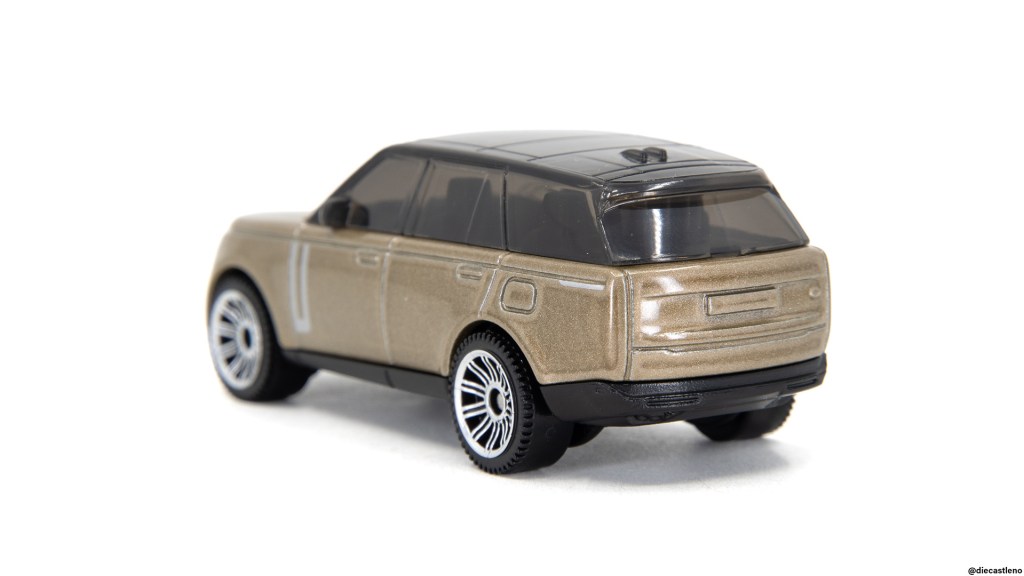
Yet I know I’m not the only one who thinks a bit of extra budget would go a long way toward making these models more desirable. When an otherwise great model like the Range Rover PHEV has a completely blank back end, it makes the whole model feel cheap. Had the Matchbox mainlines of my childhood followed the pace of inflation, they would now cost $1.75 which would buy a lot of additional detailing passes. I doubt many buyers are so price sensitive that they wouldn’t buy better, more detailed models if the price was $2. After all, that King Sized KitKat is now $3 at my local Target.
Thanks to the expanded budget of the Walmart-exclusive themed sets this year, we get a look at what a more premium mainline could look like. Spoiler alert: it’s just as good as you’d imagine.
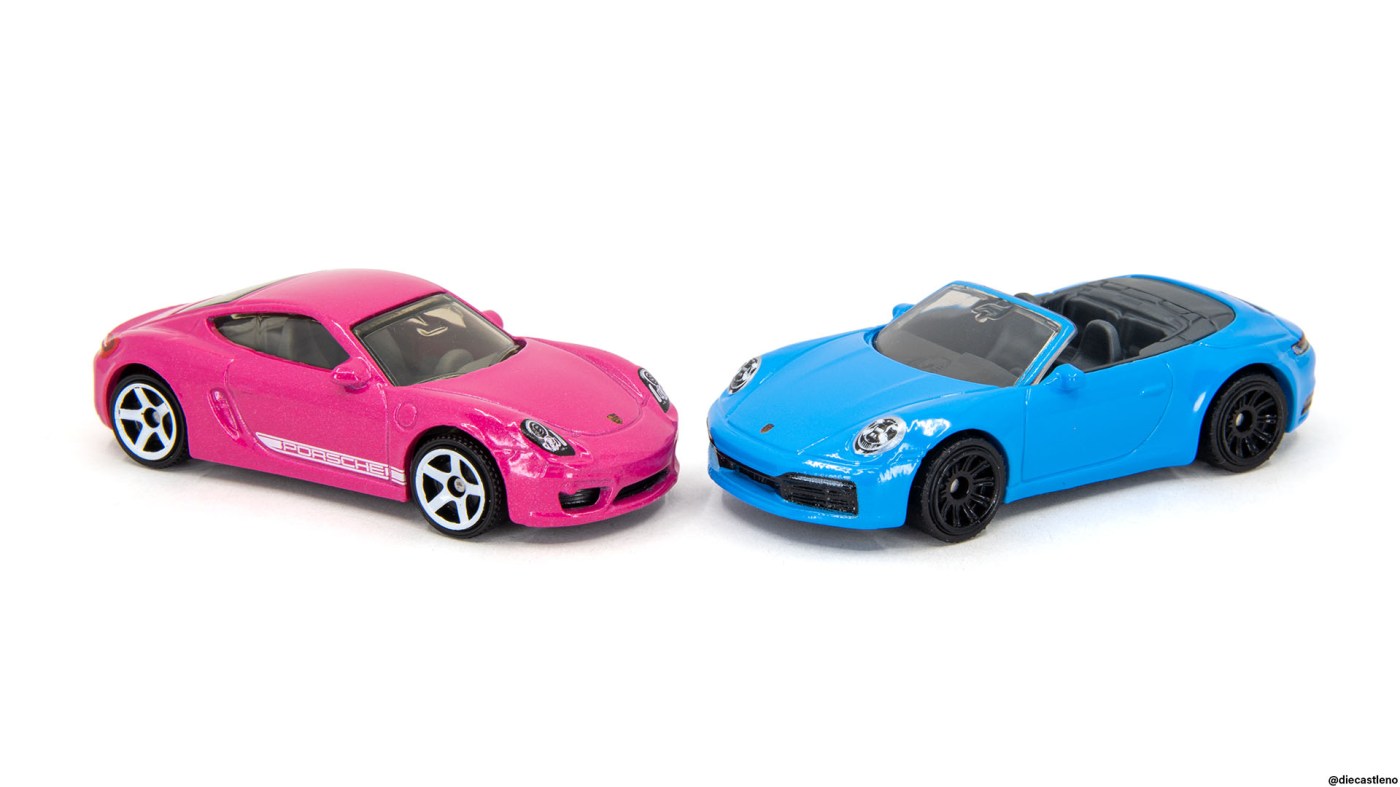
This pair of pastel Porsches from the “European” set provides a perfect example of how big of a difference a little detailing can make. Each is now the most detailed, coolest version of their respective castings.
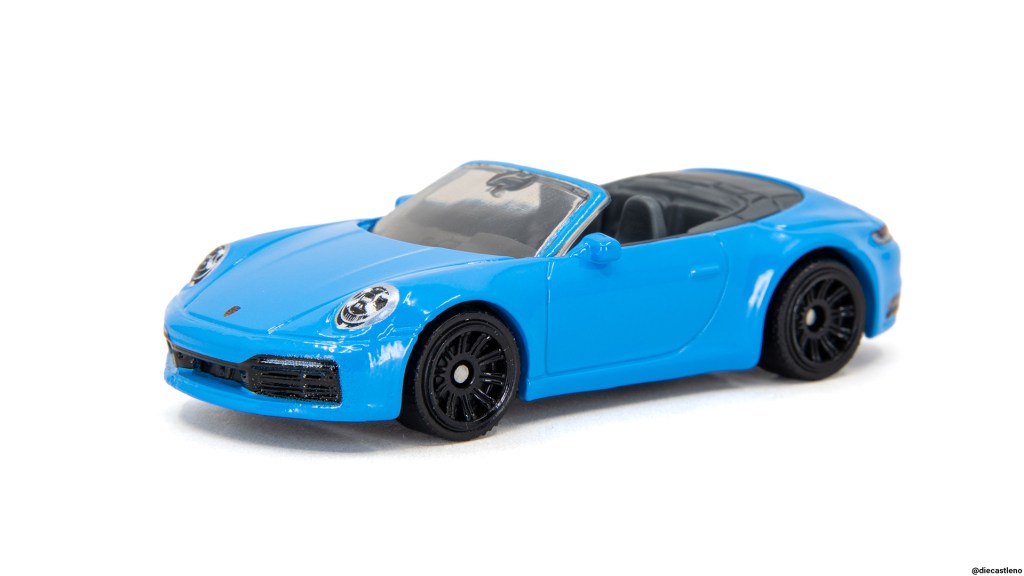
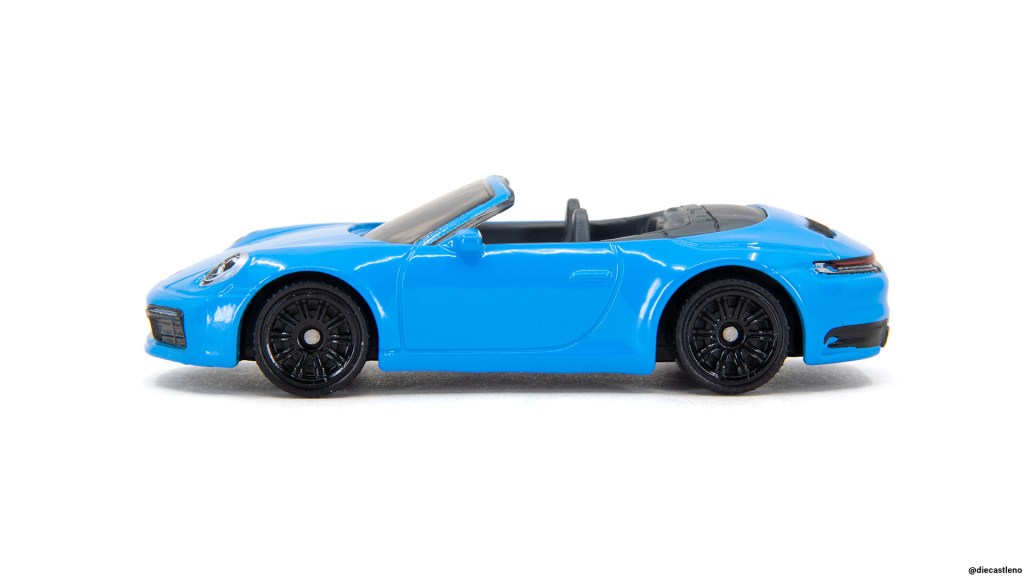
The most notable improvement was on this 911 Carrera Cabriolet. I really like this casting, even naming it my favorite Matchbox mainline of the year when it was first released. This excellent Arrow Blue paint would have easily made this recolor my favorite version anyway, but Matchbox decided to use their extra detailing budget to add a blue windshield frame. It’s a little change, but it makes the model look far more realistic. We almost never see detailed windshield frames on modern diecast models, but that wasn’t always the case.
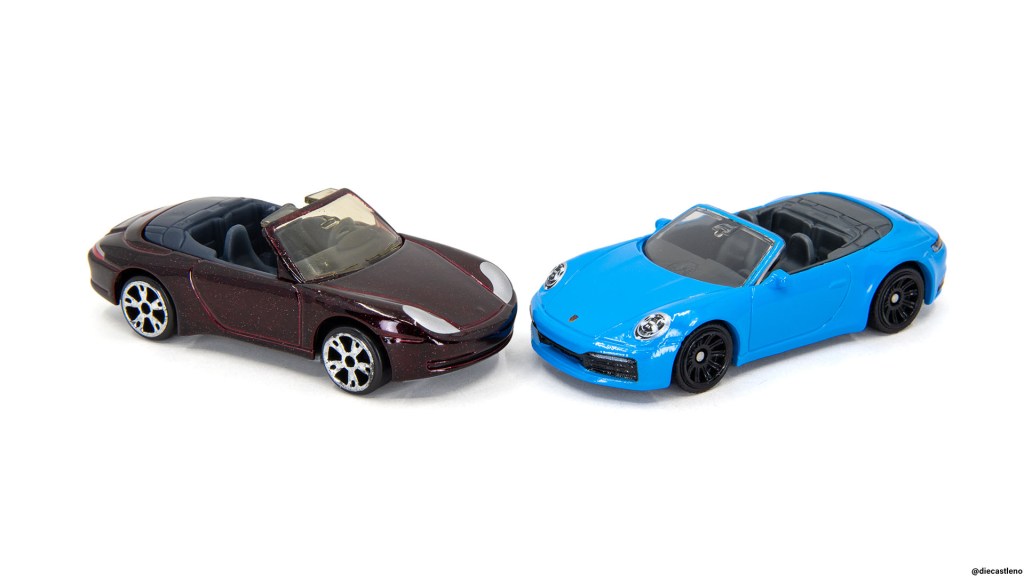
When I was a kid, it was relatively common for convertible models to get a bit of extra detailing around the plastic windshield piece. Even this car’s predecessor, the 996 911 Cabriolet, frequently received windshield detailing during the early years of its production. Over time, that detailing started to be reserved for more premium releases of the casting, and eventually it disappeared entirely.
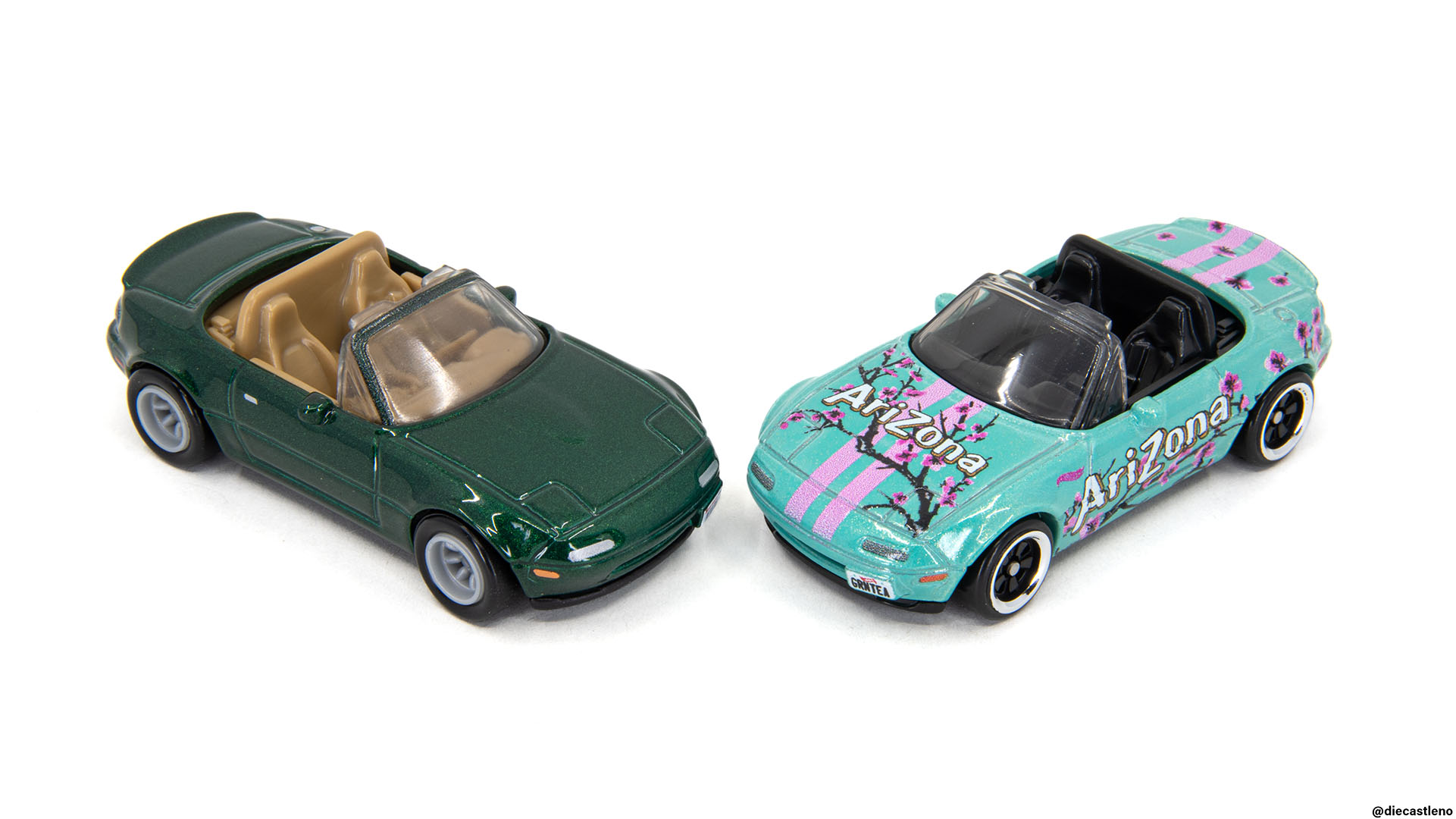
These days, we see detailed windshields very rarely. Occasionally Hot Wheels premium models like the NA Miata will get some extra detailing on the windshield, but there’s even plenty of premium models that forgo it these days…

I didn’t truly appreciate how much realism Matchbox was giving up by omitting windshield detailing until I saw it applied to a modern model with all the improvements we’ve seen over the last 20+ years of manufacturing precision. When I look at those older models from my childhood, they often look cheap despite their windshield frames thanks to the basic wheel designs and silver, under-detailed headlights. On this new 911, with its intricately detailed headlights, badges, and grilles, the effect of the windshield frame is transformative.

While it’s not unique to this blue version, I also really appreciate how this 911’s rear detailing pops against this bright blue paint. The center brake lights are a highlight, as is the custom “BLAU 911” European-style license plate!

The other pastel Porsche to be released in this Walmart-exclusive series is this metallic pink Cayman. The paint looks a bit light to be Rubystar, but that was likely the inspiration behind this color. Unlike the 911, this Porsche doesn’t feature any individual detail we haven’t seen on a modern Matchbox. Instead, it’s special because it includes all of the detailing options we might see on a model like this.
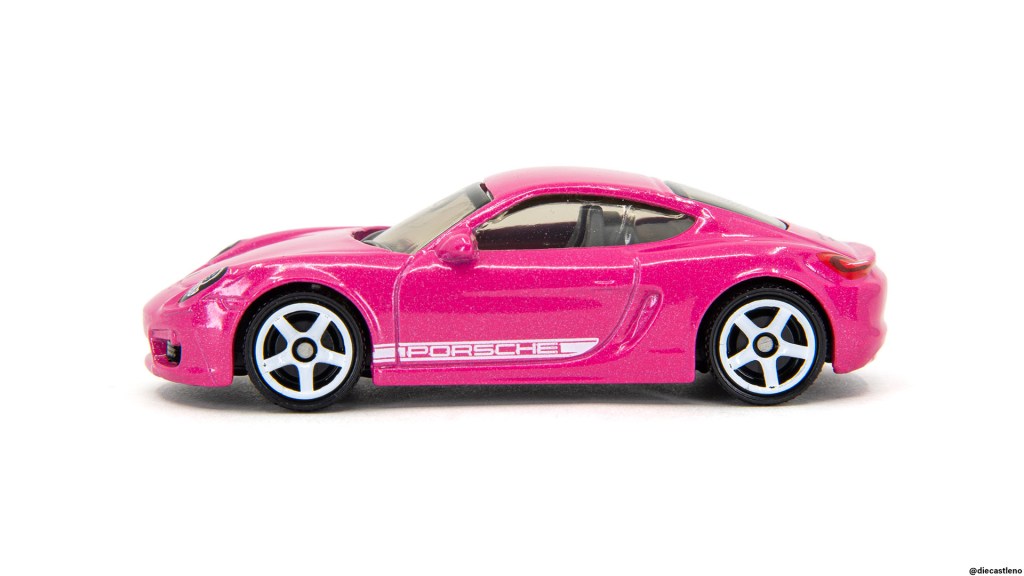
The Cayman’s usual front and rear detailing is here and accounted for, but it now has white “Porsche” graphics along the bottom of the doors! This makes the model feel much more cohesive and premium, and I wouldn’t be surprised to see graphics like this on a real Cayman.
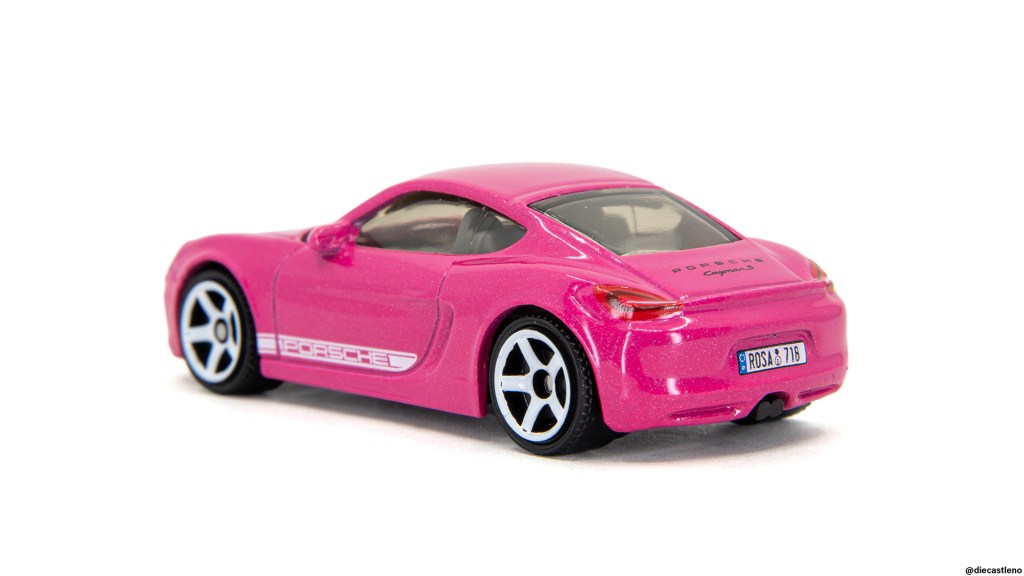
This Cayman also received some added detailing at the rear, where it now features a Porsche and Cayman S logo on the rear decklid. Interestingly, I think this is the first time I’ve seen this casting called out as a Cayman S rather than a base Cayman. Even this release’s own card art identifies it only as a Cayman!
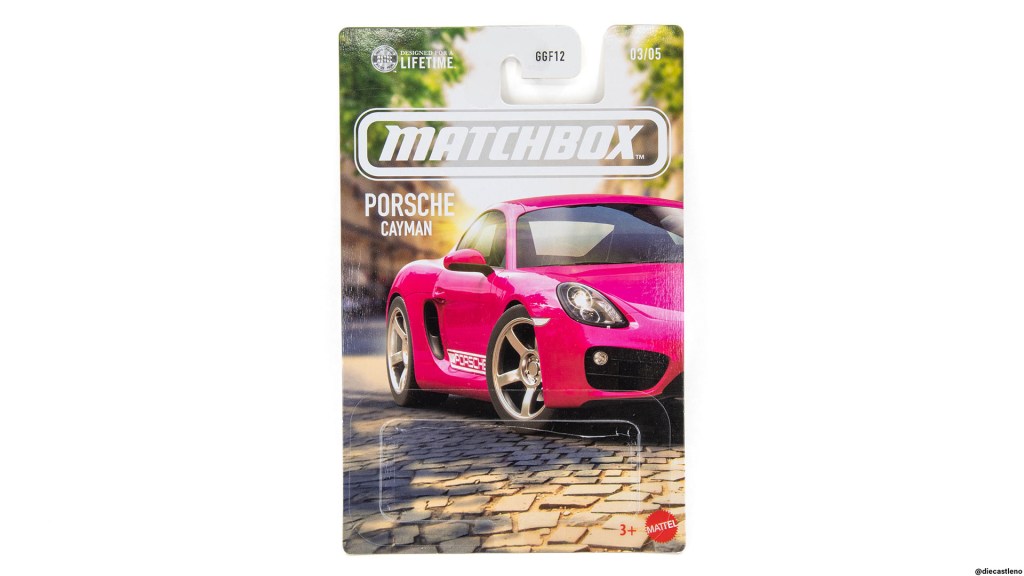
I’m not enough of a Porsche fanatic to identify whether that Cayman S badge is an error, but I can definitely tell that the custom plate is incorrect! The plate is “ROSA 718”, which is obviously supposed to be a reference to the 718 Cayman, but this casting originally came out before the “718 Cayman” designation even existed. This casting is based on a 981 generation Cayman that came out in 2014. As far as I know, the 718 Cayman name didn’t start being used until the 2017 model year, but feel free to correct me if I’m wrong!

None of that detracts from this model’s cool factor though, and I’m personally thrilled to see the Cayman casting return. This has been an oddly underused casting, with this new pink version being only the fifth unique color in 11 years, and the first new color since 2020!
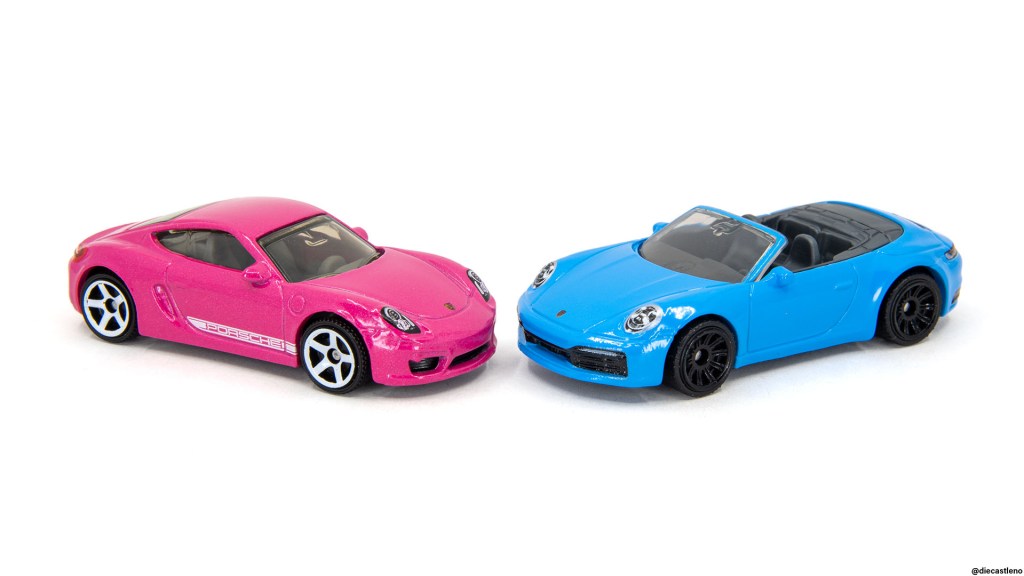
Taken as a pair, these two highly-detailed Porsches provide a perfect example of the way forward for the mainline. I’ve been arguing for years that Matchbox should move just slightly upmarket from Hot Wheels, with the aim of making more highly detailed models at a slightly higher price point. Given that these Walmart-exclusive mainline sets still sell for about $1.30, it must be feasible to mass produce models like this for sale at a price point between $1.50 and $2. At that price point, with this higher detail level, I think the Matchbox mainline would be highly competitive in the marketplace, and would be positioned well for growth. Additionally, the slightly higher margins allowed by that price point would allow for better case assortments, preventing Matchbox from having to subsidize their best models by stuffing cases with generic models with high plastic content. As a result, we would likely see fewer pegwarmers, which would encourage retailers to stock more Matchbox.
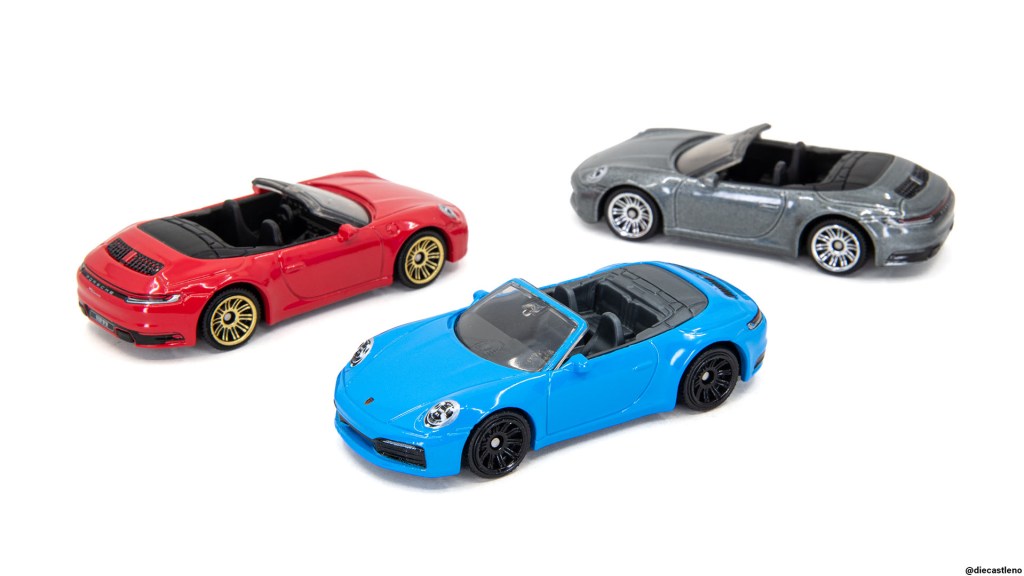
Don’t believe me that collectors would pay extra for models like this? Just take a look at the resale market, where I had to pay nearly $5 each for these excellent Porsches, because they are nearly impossible to find on the shelves. I’m clearly not the only one who’s obsessed with the extra detailing…
Like what I do? Subscribe so you don’t miss any posts!


Leave a Reply