I’ve been a diecast collector in some capacity since I was a kid. These little cars have always provided a hit of dopamine whenever I find one I really want, and I am able to stare at a garage full of cars I’d never have a hope of owning in 1:1 scale. Despite the joy they bring, I also cannot shake the understanding that the need to have whatever cool new model just released is a fundamentally consumerist feeling. I often find myself wishing I could spend more time admiring the collection I have, rather than chasing cool new models.
To be clear, at least from an environmental standpoint, collecting tiny diecast cars is far from the worst hobby for the environment. Obviously, the metal, paint, and especially plastic that go into making diecast models have an environmental cost, as does the need to ship those models halfway around the world to actually arrive at my local Target or Walmart. Driving around to hunt diecast at multiple stores certainly doesn’t help either. Even so, my collection of “real” cars does far more harm to the environment than the toys that act primarily as wall ornaments, given their gas burning engines and raw materials lists that are an order of magnitude larger and more exotic. So why do I still feel guilty?
Perhaps it’s my self-imposed position as a diecast collecting evangelist. Because of my love of Hot Wheels and Matchbox, I am naturally driven to share my passion with others – both through my social media accounts and this very blog. I’m distinctly aware that by showcasing the wonderful models in my collection, and perhaps introducing people to some new castings or brands, I am potentially driving more people to buy more models, fueling a cycle of consumerism. To some extent, that’s even my goal! I love the Matchbox brand and I want to see them not just survive but thrive. I love when the Matchbox team is able to expand one of their lines or give us a couple more licensed models in the lineup, and the only way they’re able to do that is by selling models – models that have a real environmental cost to make and ship.
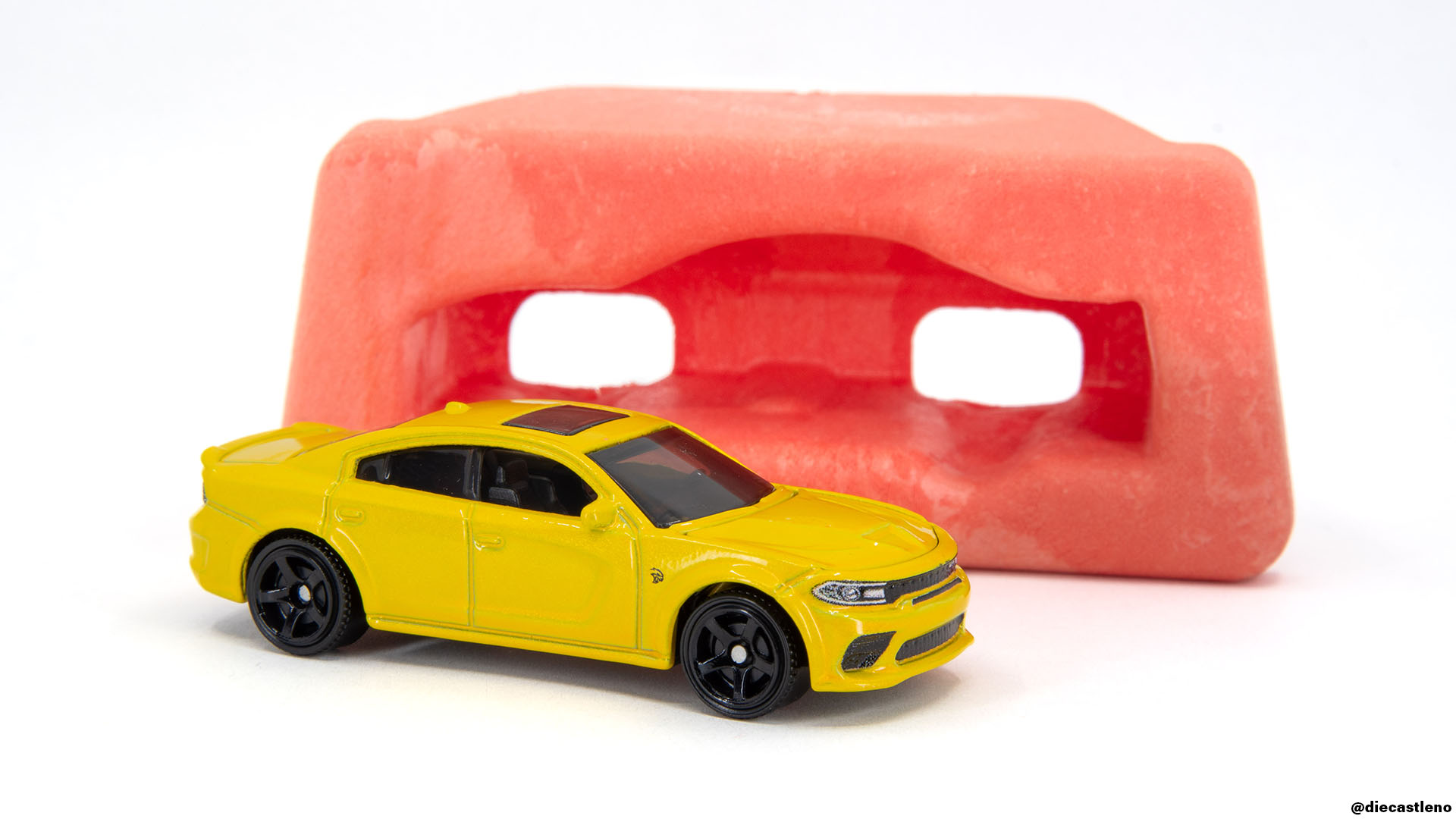
That’s part of why I love Matchbox’s efforts to make their products more sustainable. They made a big deal about launching a model made from 99% recycled materials (cool!) but that recycled composition has not made its way to the rest of the Matchbox lineup, and likely won’t for quite some time. The more significant change is the move to make their packaging fully recyclable. We’ve already seen this in the Power Grabs packaging, as well as the Moving Parts packaging for Japan, and now with their redesign of the Moving Parts packaging for the US. While the redesign has been very polarizing, I think this is a good move for the company, especially given their recent push to make more EV models. At least Matchbox is clearly showing you what you’re buying, unlike a certain Danish company I can think of.
Let’s talk about Lego for a moment: they announced their plans to transition to recycled plastics for their bricks, only to recently abandon their top prospect for a recycled plastic because they found its use actually increased carbon emissions. I can’t help but wonder if the same may prove true for the Matchbox efforts, though ZAMAC may be easier to recycle than plastic.
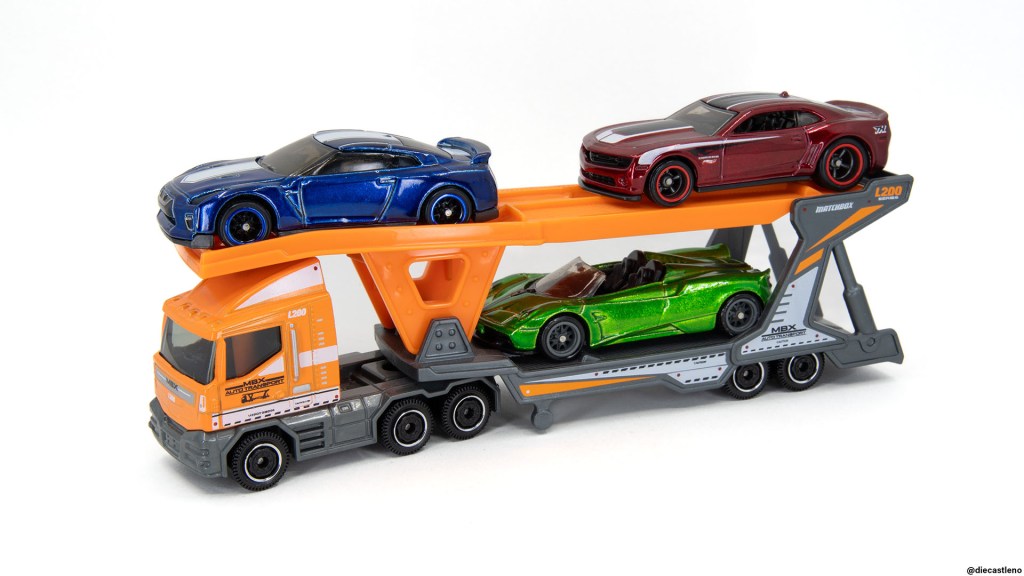
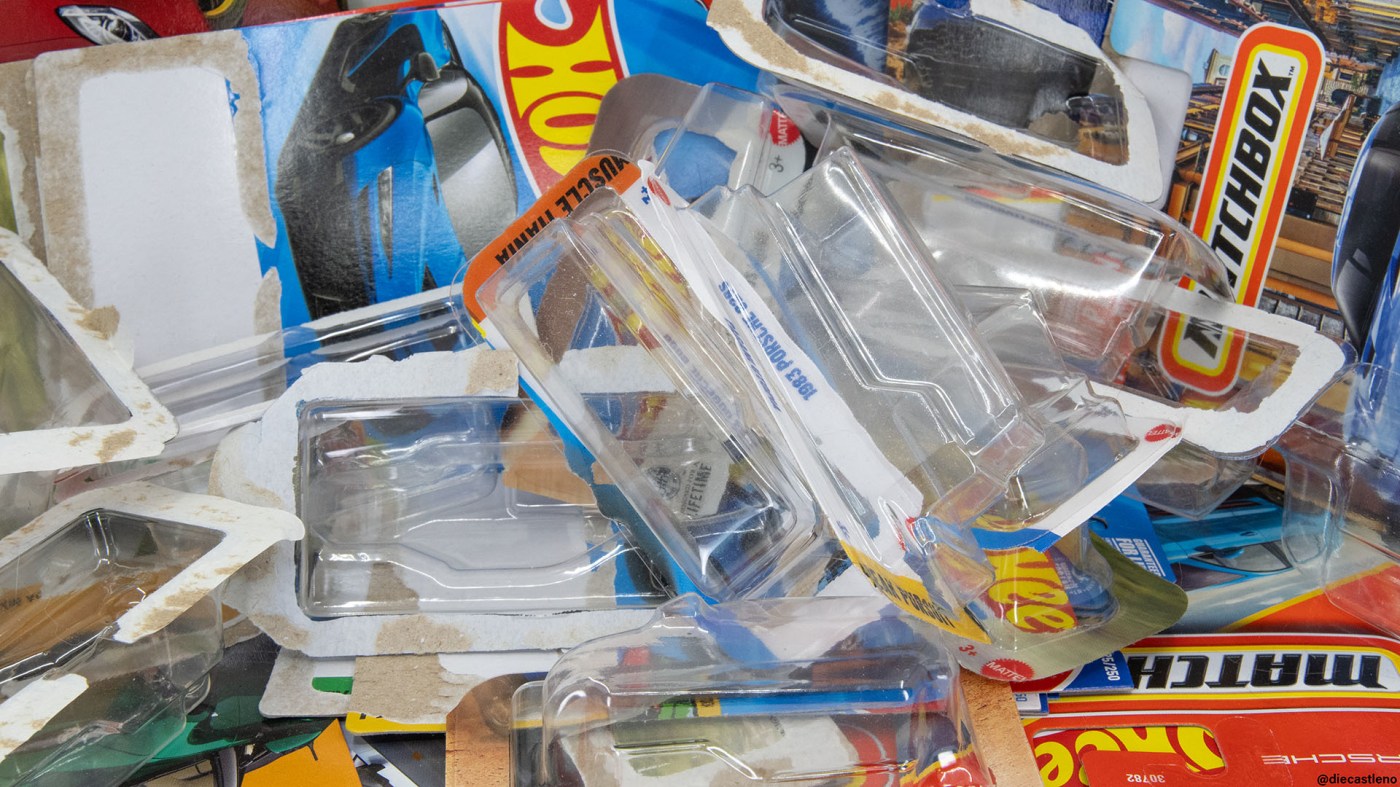
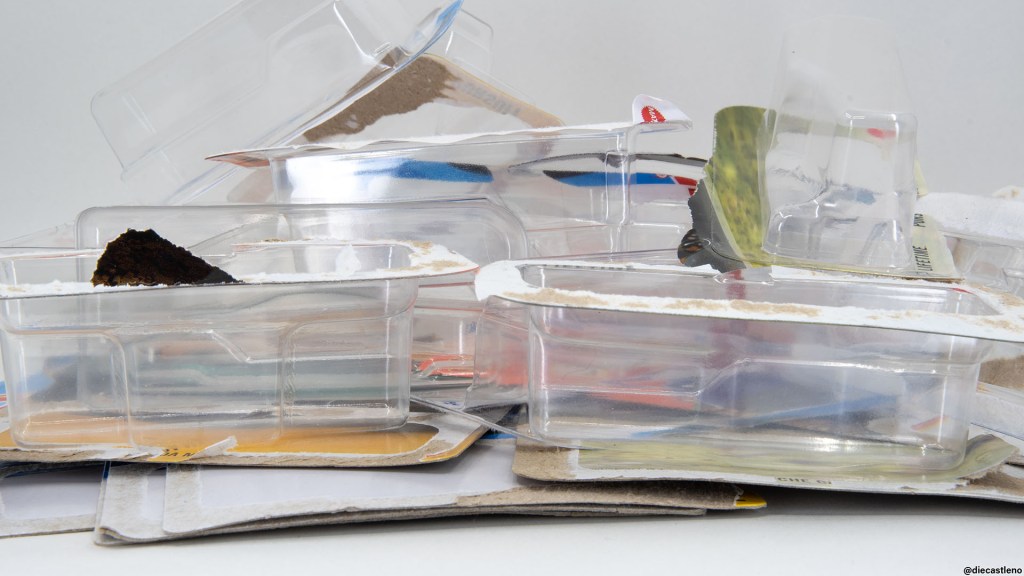
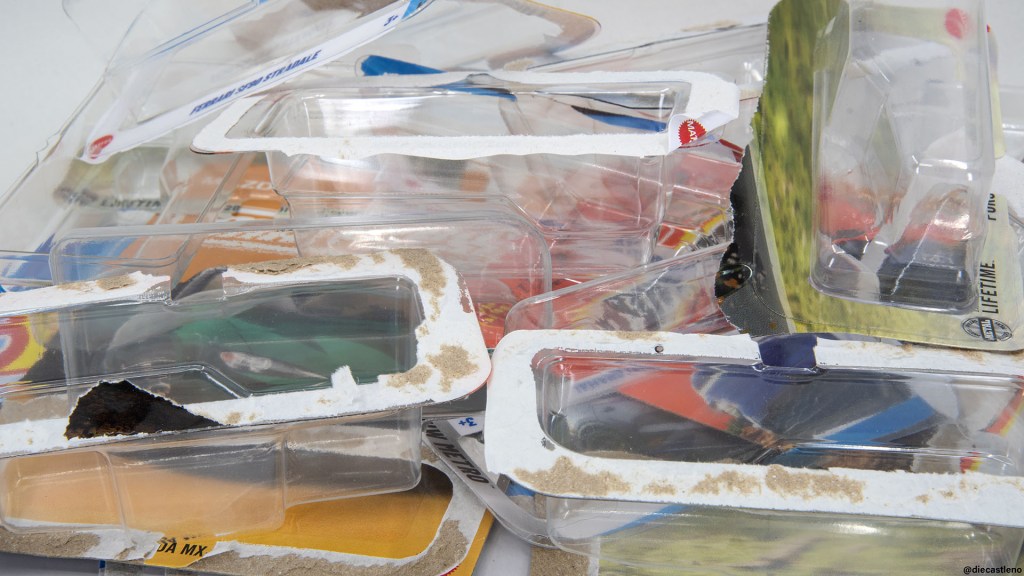
Even if fully recycled Matchbox models don’t come to fruition, it’s nice to know that at least I won’t have to experience that twinge of guilt when I throw away a pile of non-recyclable clear plastic blisters after opening some new models. I also take some solace in knowing that these models are well-built and have the potential to provide joy to generations of kids, assuming those kids can pry the models out of my hands. Even so, perhaps it’s time that I spend a bit less time driving around looking for new models, and a bit more time enjoying some of the wonderful models that are already in my collection….
Like what I do? Subscribe so you don’t miss any posts!
 diecastleno.com
Leave a comment