It feels as though Matchbox has been struggling to find its brand identity. It seems to swing wildly from impressively accurate models aimed at more mature collectors to fantasy models aimed squarely at children. Their latest push seeks to redefine Matchbox as a maker of EVs and hybrids (I’ll have a whole post about EVs and the diecast industry soon, stay tuned).
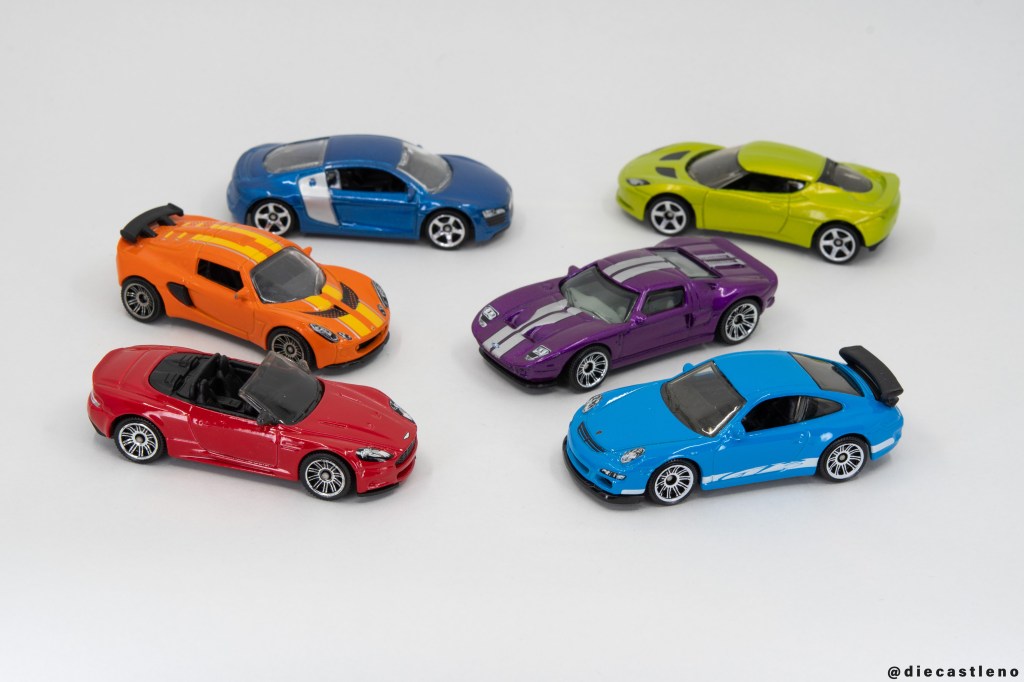
Most collectors would agree that the “golden era” of Matchbox was the epitome of the brand. Cool cars rendered with accurate proportions and stock decos – these were unquestionably some cool models. Saldy, that era is in the past, and while Matchbox may occasionally dust off an old mold and reissue a golden era casting, the brand needs to move forward. That’s not to say they aren’t making good models lately – the Alfa Romeo Giulia, Corvette C8, and Audi TTRS are all stand-outs for me – but these models are starting to feel constrained by the 94¢ price point. Matchbox clearly knows this, as price constraints were part of the argument for this year’s expansion of the Moving Parts line (sold at a $2 price point in the US).
Part 2: Moving Parts is Not The Answer
I’m sympathetic to the difficult position Matchbox is in. They have historically pegged the price of a Matchbox mainline car to the value of one USD. However, as inflation erodes the value of a dollar, Matchbox (like any company) faces reduced margins. To compensate, they must either reduce the cost of making the models or increase the price. While I would certainly prefer a modest price increase in exchange for slightly higher quality (more tampo passes, better paint, QC, etc), big box retailers are notorious for exerting pressure on manufacturers to keep prices the same. Generally, the threat of having one of these big box retailers drop their products is enough to keep a company like Matchbox from increasing prices. As a result, we get reduced quality…and that can only last so long.
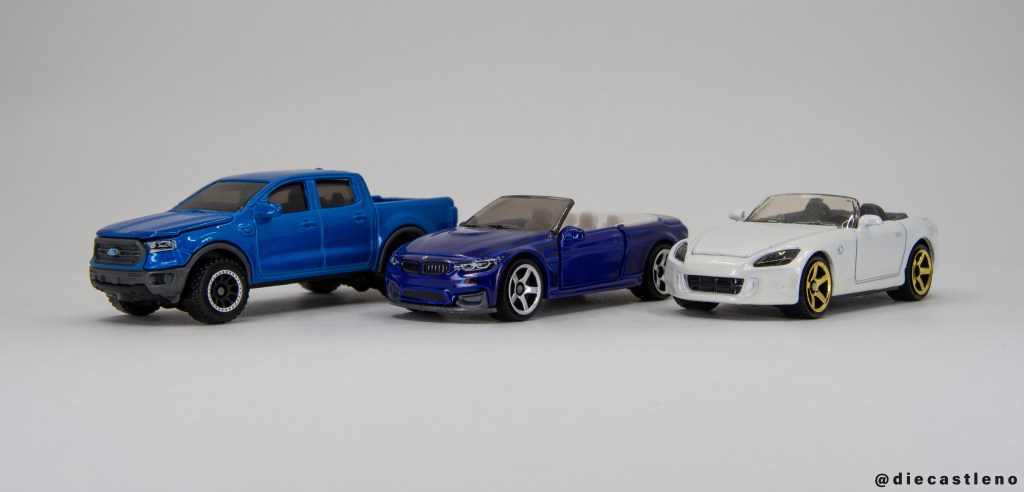
Matchbox’s solution was to expand the Moving Parts line. At a $2 price point, they have more budget to work with, and a new product line doesn’t face the same pricing pressure as a legacy product line. The catch, as the name implies, is that all of these models have moving parts. Unfortunately, opening bodywork on 1/64 cars has never looked right to my eye. Panel gaps are too large, the hinges intrude on the interior, and matching paint colors across different materials is notoriously difficult. I find the models with opening hoods to be the least objectionable moving parts models because you can largely ignore the fact that they move. But that sort of defeats the point of having moving parts, no?
Part 3: Where to from here?
My proposal is simple: Matchbox needs to go premium. Not only would this increase profit margins, it would also allow Matchbox to further differentiate itself from Hot Wheels (something that has historically proven difficult for the brand). There is precedence for a move to a more premium market position. Hot Wheels Car Culture has been a huge success, with nary a model to be found on retailer shelves in the last several months. Diecast collectors are not nearly as price sensitive as they used to be. Nowhere is this more evident than Hot Wheels RLC, where models sell new (and sell out) for $30 and regularly resell near $100. Matchbox cannot deny there is a market for high end diecast.
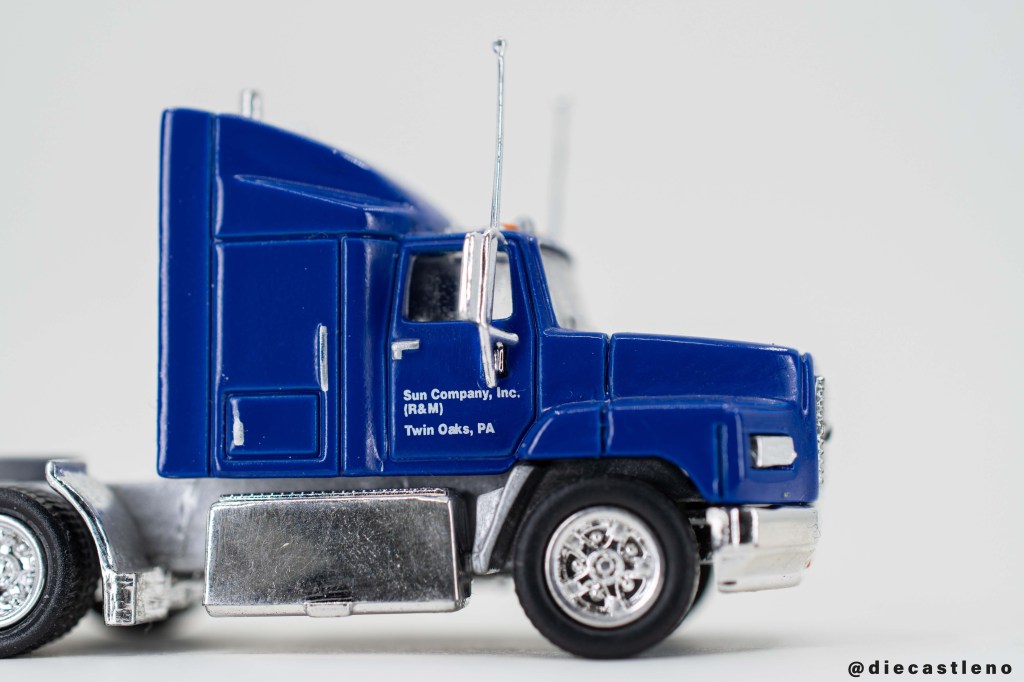


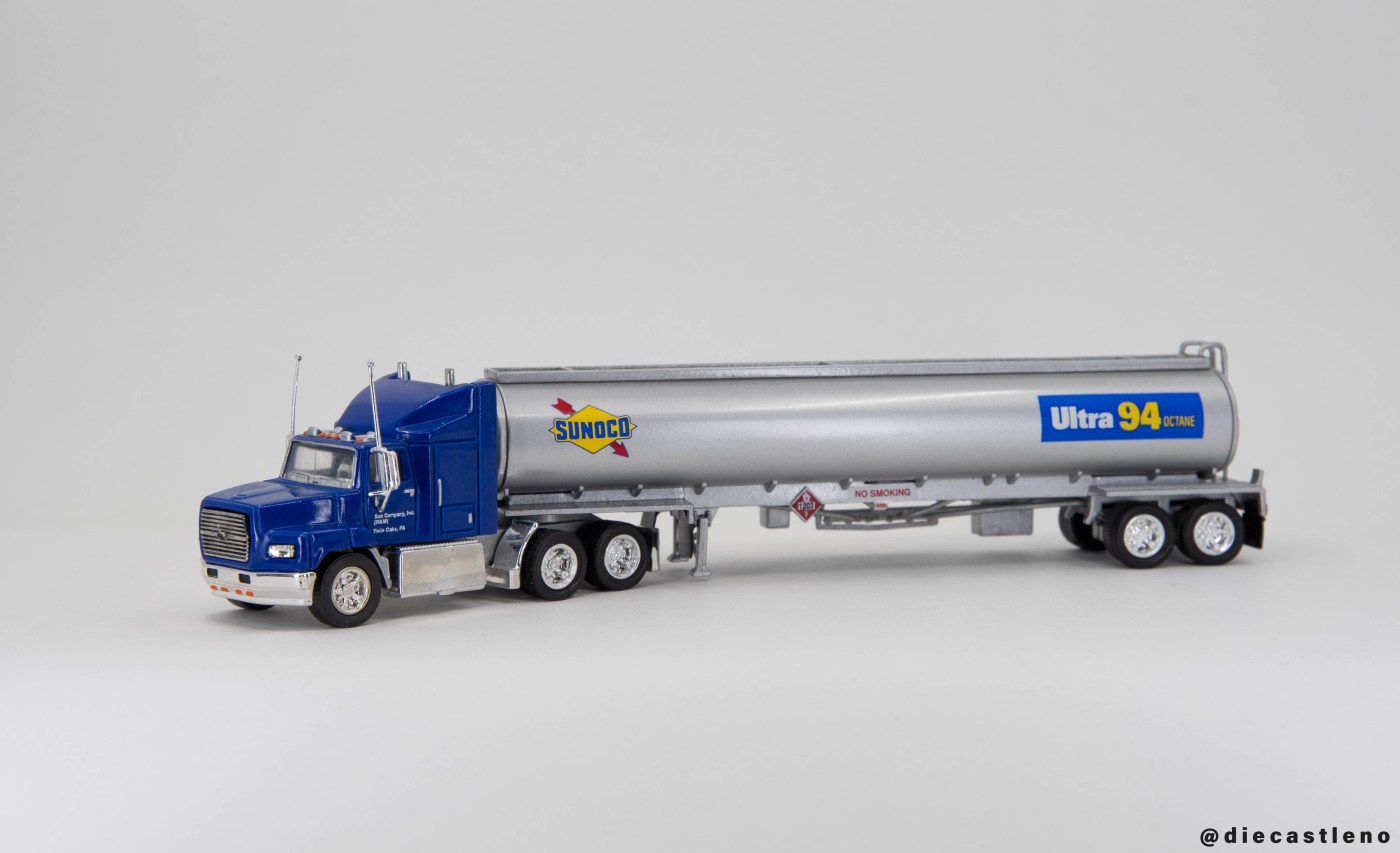
There is precedence for high end Matchbox models too. This old Matchbox Premiere semi truck is an excellent example of what Matchbox can do when they truly embrace making a premium product. The detailing on this model is stunning: intricate mirrors, small fuel lines on the underside of the tanker, lights on the top of the cab. They even included the company name and home city on the cab’s doors! Add in rubber tires and a licensed Sunoco livery, and you have a fantastic collectable. I have no particular interest in semi trucks, but I absolutely had to have this model because it is just so well done. The current resale prices speak for themselves: current diecast collectors clearly want more models like this.
At this point, it has inevitably occurred to you that Matchbox already has a premium line – the Collector series. While I certainly believe the Collector series is underutilized, I also believe it’s not premium enough. Priced $1 cheaper than Hot Wheels Car Culture, the Matchbox Collector series feels subpar. The lack of a metal base makes the Matchbox models feel lighter and less substantial, and Matchbox’s premium wheels look worse than their own basic wheels. More fundamentally, the Collectors series is still trying to compete with Hot Wheel’s premium line.

Instead, Matchbox should move the Collector line up to the $10 price point and focus on the desires of collectors specifically. Rather than using models that are designed to survive rough play from children, models in the Collectors series should be display pieces. The difference between the mainline and Collector series models should be the difference between a normal Convoy and the Premiere model.
Trying to compete directly with a dominant brand like Hot Wheels is a fool’s errand, and the result has been Matchbox playing second fiddle to Hot Wheels ever since being acquired by Mattel. Revamping the Collector series into a more premium brand would allow Matchbox to split the difference between Hot Wheels Car Culture and MiniGT, carving out a prosperous niche that would benefit both Matchbox and collectors. Imagine the possibilities. Full carbon Bugatti Divo anyone?
 diecastleno.com
Leave a comment